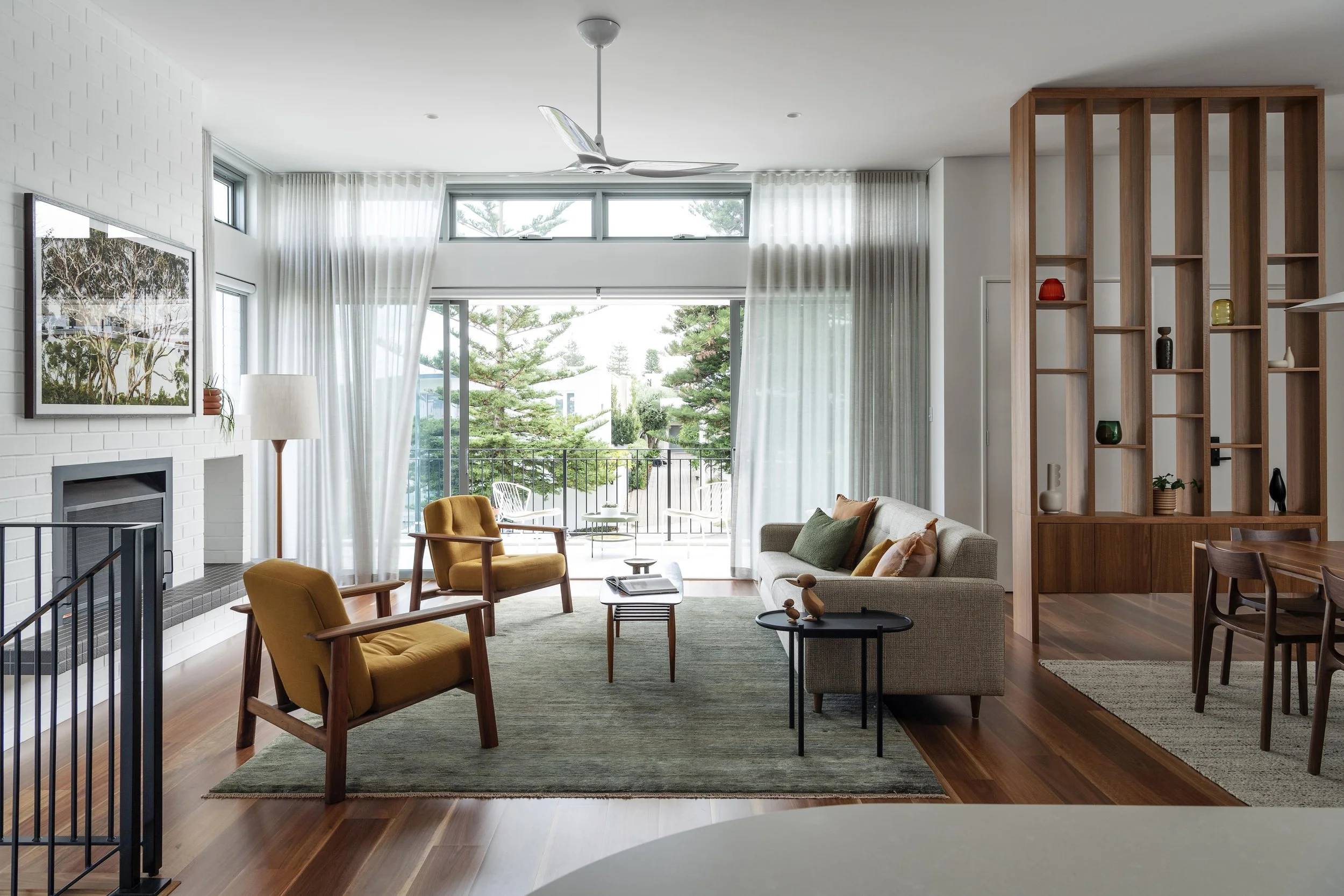
Window coverings affect light, privacy, temperature, color, and the way a room feels throughout the day. Current window treatment trends favor practical layering, softer materials, controlled daylight, and designs that connect with the room instead of dominating it.
A good choice begins with the window’s role. Bedroom windows need privacy and light control. Living rooms may benefit from filtered daylight. Kitchens require materials suited to moisture and cleaning. Large glass doors need treatments that move easily.
Before selecting fabric or color, observe the room from morning through evening. Notice glare, direct sun, outside views, and privacy needs after dark.
Homeowners comparing installation, interior design, or household service categories may explore regional home improvement listings while researching nearby options. Measurements and installation conditions should be checked carefully.
The strongest treatment looks connected with the room while making daily light easier to manage.
Window Treatment Trends Focused On Layered Light
Layering gives households more control than one heavy covering.
Combine Soft Panels With Light Control
Curtain panels can add softness while shades or blinds handle privacy and daylight.
The layers do not need identical colors. Connected tones and materials create depth.
Use lighter fabrics where filtered daylight is welcome.
Bedrooms may need stronger room darkening according to household needs.
A living room can pair simple woven shades with full-height side panels. The shade controls glare while the fabric softens the wall.
The counterintuitive lesson is that curtains do not need to close every day to add value. They can frame the window while another layer handles function.
Use Full-Height Placement For Better Proportion
Mounting curtains higher can make walls feel taller.
Allow enough width so panels frame the glass without covering too much daylight when open.
Measure from the planned hardware position rather than the window frame alone.
Fabric length should suit the desired appearance and household maintenance.
Homeowners exploring local installation, furniture, or interior service categories may browse household and property listings while comparing nearby providers.
The strongest placement responds to wall proportions, furniture, and window size rather than following one fixed rule.
Choose Materials That Fit The Room
Texture adds warmth, but practical conditions should guide material choice.
Use Natural-Looking Texture With Care
Woven materials can add visual depth and a relaxed appearance.
Color variation may help them connect with wood, stone, and neutral interiors.
Check privacy and light control before choosing a loosely woven product.
A liner may change appearance and performance.
Keep cleaning needs in mind. Textured surfaces may collect dust differently from smooth materials.
The less obvious advantage is visual softness. Texture can make a simple room feel finished without adding more decoration.
Select Easy-Care Options For Busy Areas
Kitchens, bathrooms, and children’s rooms may need simpler cleaning.
Smooth shades or blinds may suit areas where dust, moisture, or marks occur.
Avoid long fabric near cooking surfaces or other conditions that create maintenance problems.
A regional interior and home service directory may help homeowners identify local categories connected with installation, design, cleaning, or household improvements.
The best material is one the household can maintain without changing normal routines.
Use Color And Pattern With More Restraint
Window coverings occupy a large visual area. Color choices affect the entire room.
Connect Treatments With Existing Finishes
Begin with walls, flooring, furniture, and natural light.
Neutral coverings can support changing decoration.
A muted color may connect with artwork or upholstery without becoming the main feature.
Pattern works well when other large surfaces remain quieter.
A bedroom with plain walls may support subtle patterned curtains. A room with strong wallpaper may benefit from simpler fabric.
The surprising choice is using contrast at the window only when the room needs a clear focal point.
Avoid Matching Every Fabric
Curtains do not need to match pillows, chairs, and bedding exactly.
Related tones create a more natural result.
Use repeated color in small amounts.
Keep pattern scale varied when several designs appear in one room.
Families exploring design, furniture, or household support may review regional home and property service listings while comparing local providers.
A collected room often feels more comfortable than one built from one matching set.
Add Convenience Without Losing Simplicity
Modern controls can make hard-to-reach or frequently adjusted windows easier to manage.
Consider Motorized Controls For Specific Needs
High windows, wide glass doors, and repeated daily adjustments may benefit from powered operation.
Check access, control methods, maintenance, and compatibility before purchase.
Manual control should remain understandable where possible.
Do not add powered features when a simple treatment already works well.
The less obvious benefit may be consistency. Scheduled operation can control sunlight during regular hours.
Keep Hardware Quiet And Functional
Rods, tracks, rings, brackets, and handles affect daily use.
Choose hardware suited to treatment weight and opening frequency.
Sliding treatments should move without repeated adjustment.
Hardware color may connect with lighting, furniture, or other room details.
Avoid decorative pieces that interfere with opening and closing.
Function becomes part of appearance when the treatment hangs and moves correctly.
Conclusion
Window coverings should improve comfort before they act as decoration. Layered light control, suitable materials, balanced color, and reliable hardware create a stronger result than following a style without considering the room.
Current window treatment trends support softer interiors and more flexible daylight. Combine layers when privacy and filtered light require different solutions, and place treatments according to the proportions of the wall.
Choose materials that match cleaning needs, room conditions, and daily use. Add powered controls only where they solve a repeated problem.
The best window treatment becomes part of the room’s rhythm, opening easily, controlling light, and supporting privacy without demanding attention.
Frequently Asked Questions
Are layered window treatments still popular?
Yes. Combining curtains with shades or blinds provides flexible light control, privacy, texture, and visual depth.
Should curtains touch the floor?
Length depends on style, cleaning habits, floor conditions, and desired appearance. Measure from the planned hardware position.
What window treatments work well in kitchens?
Choose easy-care materials suited to moisture, cleaning, heat, and the position of cooking areas.
Can neutral curtains make a room feel boring?
No. Texture, fabric weight, folds, and connection with surrounding finishes can create depth without strong color.
Are motorized shades worth considering?
They may help with high windows, wide glass, mobility needs, or frequent adjustments. Cost and maintenance should be reviewed.
How wide should curtain panels be?
Width depends on window size, desired fullness, hardware, and whether panels need to close fully.
Should window treatments match furniture?
They can connect through color, texture, or tone without matching exactly. Controlled variation often feels more natural.
What is the easiest window covering to clean?
Smooth blinds and simple shades may be easier in some rooms. Cleaning needs vary by material and construction.