Sewer drains play an important role in carrying wastewater safely away from a home. When these drains become restricted or completely blocked, homeowners may notice slow drainage, unpleasant odors, unusual sounds, or wastewater backing up into fixtures. In Houston, several factors can contribute to sewer drain problems, but tree roots, grease, and accumulated debris are among the most common.
Understanding what causes these blockages can help homeowners recognize problems earlier and make better decisions about maintenance. Addressing developing clogs before they become severe can also reduce the risk of disruptive plumbing emergencies.
Tree Roots Can Invade Underground Sewer Lines
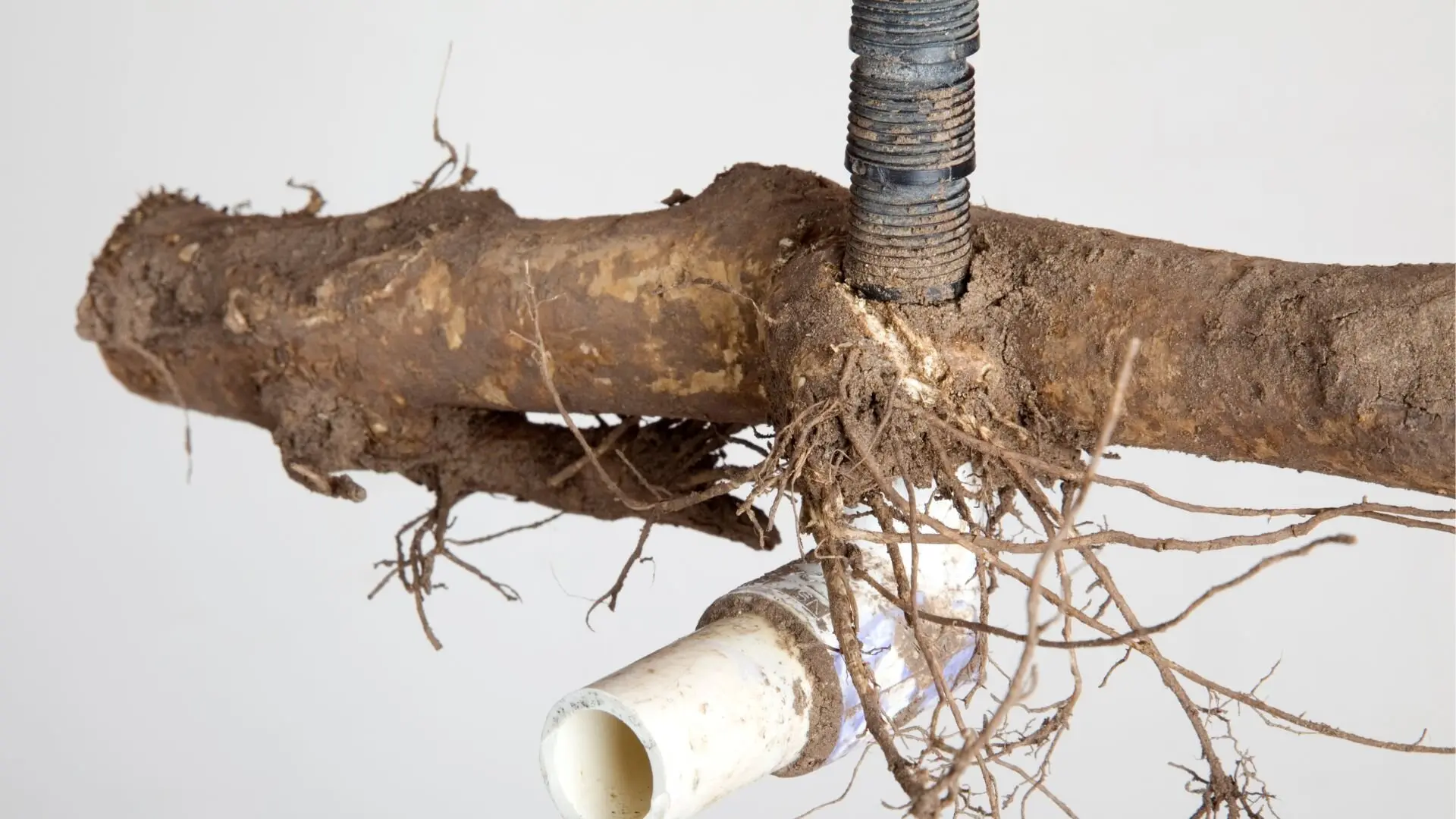
Trees provide valuable shade around Houston properties, but their roots can create problems for underground plumbing. Roots naturally grow toward sources of moisture. If a sewer pipe develops a small crack, loose connection, or other opening, nearby roots may find their way inside.
Roots can continue to grow and form a web that collects garbage, toilet paper, and other things until they get inside a sewage pipe. Water may initially continue flowing around the roots, making the problem difficult to notice. As more material accumulates, however, drainage can gradually become slower.
Older sewer lines may be particularly vulnerable because age can affect pipe joints and structural condition. Professional inspection can help determine whether roots are contributing to repeated sewer drain problems.
Grease Can Gradually Restrict Drainage
Cooking grease is another common cause of sewer drain trouble. Hot grease may appear harmless when it is poured down a kitchen drain because it remains liquid at first. As it cools inside the plumbing system, however, it can solidify and stick to pipe walls.
Over time, fats, oils, and grease can create increasingly thick deposits. Food particles and other waste may then stick to these deposits, further reducing the space available for wastewater to travel.
Homeowners can lower this risk by allowing cooking grease to cool and disposing of it appropriately rather than pouring it into the sink. Even small amounts added repeatedly can contribute to buildup over time.
Everyday Debris Can Create Serious Clogs
Inappropriate materials getting into home drains cause a lot of sewer obstructions. Items that do not break down easily can accumulate inside pipes and interfere with normal wastewater movement.
Paper towels, hygiene products, wipes, hair, food scraps, and similar materials can all contribute to drainage problems. Even products marketed as flushable may not break apart as quickly as ordinary toilet paper.
Keeping unsuitable materials out of drains is one of the simplest ways homeowners can protect their plumbing. Additionally, drain screens can assist in capturing food particles, hair, and other debris before they get into the system.
Recognizing The Warning Signs Of Sewer Trouble
A single slow sink may indicate a localized clog, but problems affecting several fixtures can suggest an issue deeper within the plumbing system. Homeowners should pay attention when multiple sinks, showers, tubs, or toilets begin draining slowly at the same time.
Gurgling toilets, sewage odors, water appearing in unexpected drains, and recurring backups are other warning signs. When these symptoms continue returning after basic drain maintenance, the underlying obstruction may require professional attention.
Arranging sewer drain cleaning Houston services can help address accumulated grease, debris, root intrusion, and other materials that restrict wastewater flow. The appropriate cleaning method depends on the location, severity, and nature of the blockage.
Preventive Attention Can Reduce Future Problems
Sewer drain problems often develop gradually. A pipe may continue functioning even while grease deposits, roots, or debris are slowly reducing its capacity. This is why homeowners should not automatically ignore drains that repeatedly become slow.
Responsible disposal habits can make a significant difference. Keeping grease out of sinks, flushing only appropriate materials, and responding to recurring drainage symptoms can help reduce unnecessary strain on sewer lines.
Houston homeowners should also consider professional evaluation when several plumbing fixtures begin showing similar symptoms. Identifying whether the problem involves tree roots, grease, debris, or another sewer line issue allows the appropriate solution to be selected. With timely attention and sensible household habits, many serious sewer drain problems can be prevented before they lead to inconvenient backups or more extensive plumbing concerns.