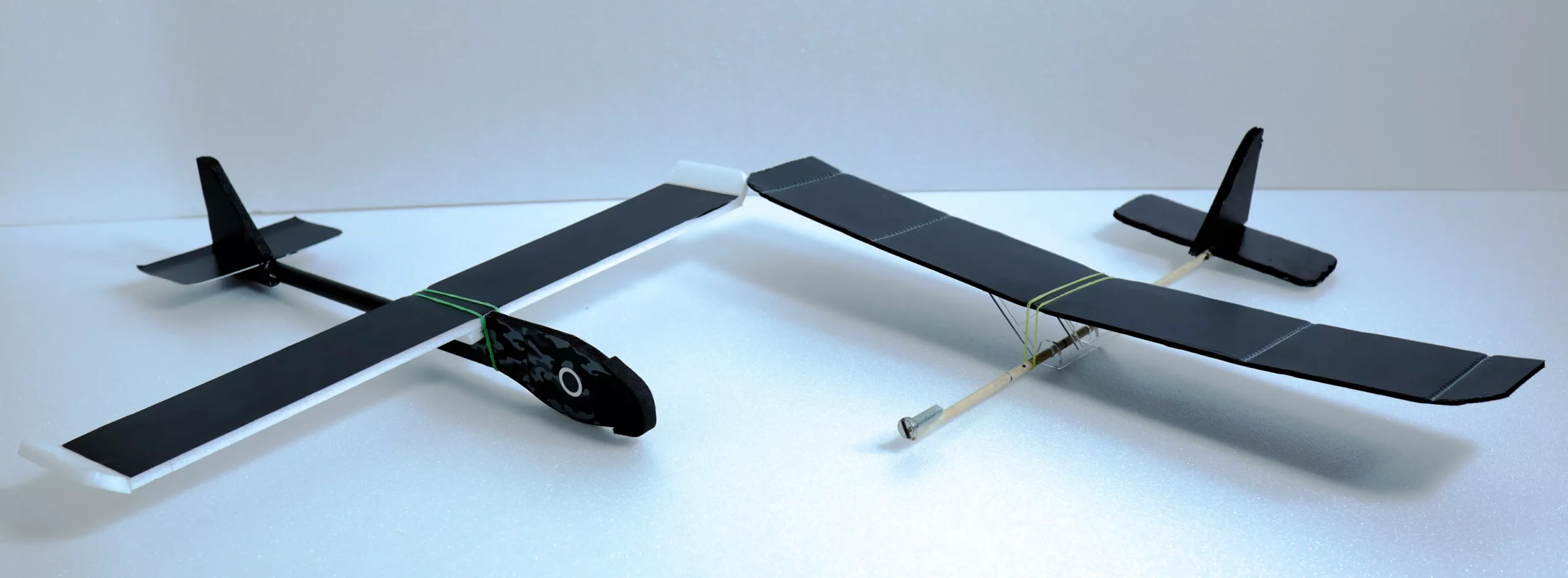
Finding an activity that combines creativity, learning, and hands-on enjoyment can be surprisingly difficult in a world where entertainment is increasingly centred around screens. Model aircraft offer an engaging alternative. Building, decorating, collecting, and learning about miniature aircraft can appeal to children, teenagers, adults, and older enthusiasts alike.
Model aircraft building is much more than assembling a collection of parts. It introduces people to aviation, engineering, design, history, and craftsmanship while providing the satisfaction of creating something tangible. This combination makes it one of those Hobbies that can remain interesting as skills and interests develop over time.
A Hobby That Encourages Creativity
Creativity is a major part of the model aircraft experience. While kits often provide instructions for assembly, builders still have opportunities to make individual choices about finishing and presentation. Painting, detailing, selecting markings, and creating displays allow a basic model to become a personal project.
Some enthusiasts enjoy creating aircraft that closely represent real designs, while others prefer experimenting with imaginative finishes. Both approaches encourage attention to visual details and give builders an opportunity to express their individual style.
The creative qualities of model building are also found in other traditional activities such as constructing Dolls Houses, where assembling individual components gradually creates a detailed finished piece. In both cases, the process can be just as rewarding as seeing the completed project.
Learning Through Hands-On Activity
One of the strongest qualities of model aircraft building is its educational potential. Instead of simply reading about aviation, builders can explore aircraft structures through physical components. Wings, fuselages, landing gear, propellers, and other parts provide a basic introduction to how different elements come together.
For younger enthusiasts, this can encourage curiosity about science and engineering. Questions naturally begin to emerge. Why are wings shaped in particular ways? How do different aircraft designs vary? Why did aircraft change throughout history?
Searching for answers can turn a recreational activity into an informal learning experience. Adults can also benefit, especially those who enjoy expanding their knowledge of aviation technology or historical aircraft.
Developing Patience And Concentration
Model aircraft rarely provide instant results. Parts need to be identified, instructions must be followed, and each stage generally needs to be completed carefully before moving forward.
This slower process can help develop patience and concentration. Builders learn that rushing may result in misplaced components or an unsatisfactory finish. Taking time to complete each stage properly often produces better results.
For children, these lessons can support the development of useful Practical habits. For adults, concentrating on a detailed project can provide a welcome change from everyday digital distractions.
Different Options For Different Ages
Another reason model aircraft have such broad appeal is the variety available. Beginners can start with relatively straightforward kits that focus on simple assembly. More experienced builders can move toward detailed projects that demand greater precision and patience.
The subject matter is equally varied. Enthusiasts may be interested in historic military aircraft, passenger planes, classic aviation designs, gliders, or modern aircraft. This diversity makes it easier for people to choose projects that reflect their personal interests.
Model building can also become a shared activity between generations. Parents and children can work together, while grandparents can introduce younger family members to traditional model-making skills. This creates opportunities for conversation, collaboration, and shared achievement.
Connecting With Aviation History
Aircraft have played important roles in transportation, exploration, technological development, and major historical events. Building models can encourage enthusiasts to investigate the stories behind particular designs.
someone assembling a historic aircraft may become interested in when it was developed, what purpose it served, and how its design differed from aircraft that came before or after it. This additional research gives context to the model and can make the finished piece more meaningful.
Collections can eventually become miniature visual timelines, showing how aviation technology and design have evolved.
Building Practical Skills
Model aircraft projects can help develop several practical abilities. Reading instructions carefully, organising components, working accurately, and understanding how individual pieces fit together are all part of the experience.
Painting and finishing can further develop coordination and attention to detail. As builders become more experienced, they may experiment with increasingly sophisticated techniques and more challenging projects.
Progress is easy to recognise. A first model might be relatively simple, while later projects can demonstrate noticeably greater precision and craftsmanship. That visible improvement provides a strong sense of accomplishment.
A Hobby With Lasting Appeal
Model aircraft offer something increasingly valuable: an opportunity to slow down, work with your hands, learn naturally, and create something worth displaying. The hobby can begin with a simple interest in aeroplanes and gradually develop into a deeper appreciation of craftsmanship, engineering, history, and design.
Whether someone is looking for an educational activity, a creative challenge, or simply an enjoyable way to spend free time, model aircraft provide plenty of room to explore. With projects suitable for different interests and experience levels, this traditional pastime continues to offer meaningful enjoyment for enthusiasts of virtually every generation.