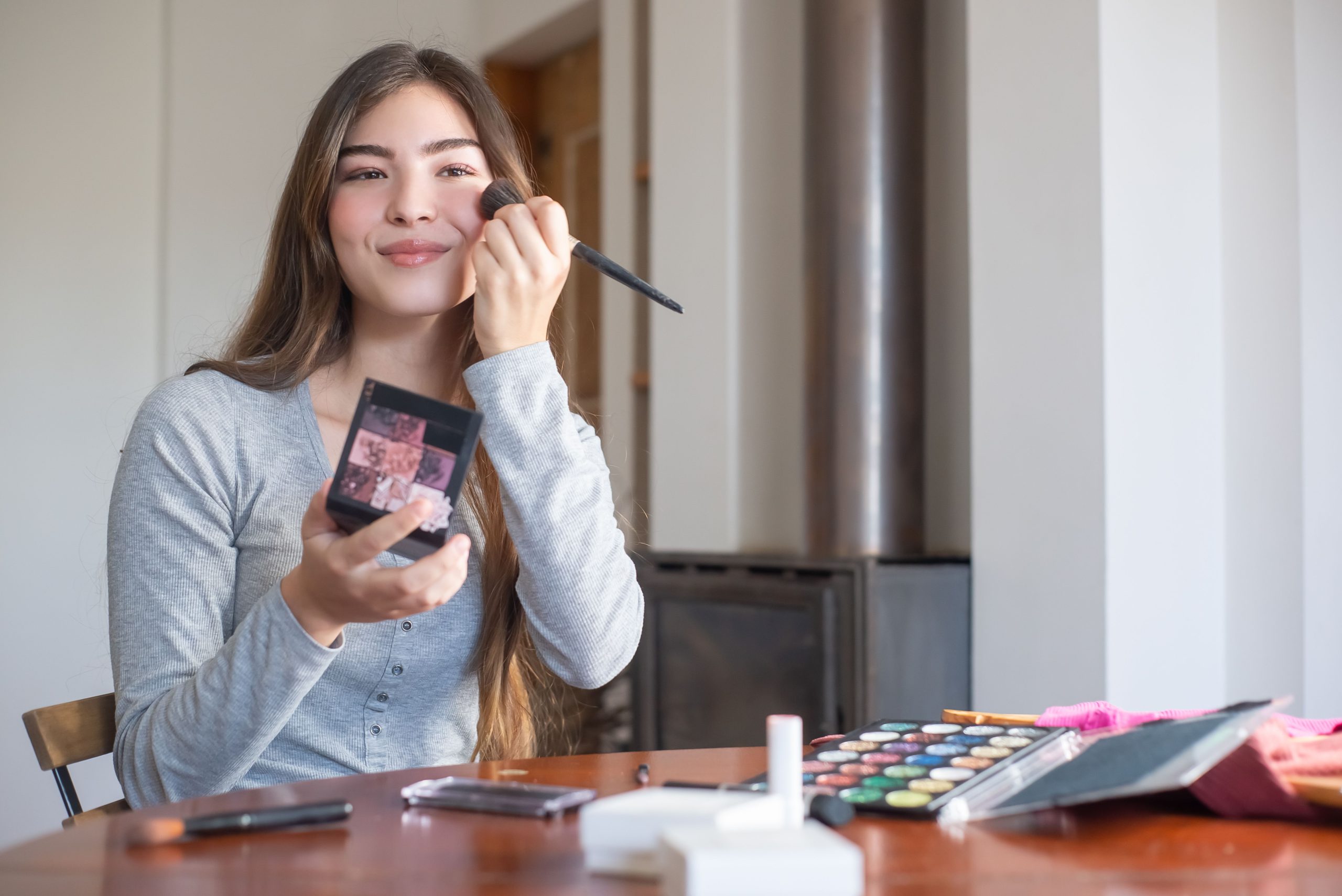
Beauty trends move quickly across social media, online stores, celebrity coverage, advertisements, and product launches. American shoppers can discover new makeup, skincare, hair care, fragrance, and personal care products within seconds. This access creates inspiration, but it can also encourage unnecessary spending and unrealistic expectations.
A trend is not automatically harmful or useful. The outcome depends on personal needs, product quality, safe use, and realistic expectations. Careful shoppers can enjoy new ideas without replacing their entire routine every month.
Readers following current beauty trend coverage should treat popular products as possibilities rather than automatic requirements.
Buying Products Without Identifying A Need
A product may become popular even when it does not solve a personal concern.
Before purchasing, ask what the item is expected to do.
A new moisturizer may not be necessary when the current one feels comfortable and performs well.
Adding products without a clear purpose can increase cost and make routines more complicated.
Some shoppers buy several treatments because they appear in before-and-after videos.
The results may depend on lighting, editing, other products, professional services, or individual differences.
Personal need should guide the decision.
Trusting One Review Completely
A single positive review does not guarantee the same experience for everyone.
Skin type, hair texture, climate, application method, and expectations affect results.
Look for patterns across several reviews.
Pay attention to repeated comments about texture, scent, packaging, durability, irritation, and value.
Sponsored content can still provide useful information, but shoppers should understand the relationship when it is disclosed.
Beauty coverage from consumer lifestyle and product writers can support broader research, although personal testing remains important.
Buying Full Sizes Before Testing
Large products may appear to offer Better value.
However, a full bottle becomes expensive when the formula causes discomfort or receives little use.
Samples, trial sizes, travel products, and small packages can reduce risk.
This is especially useful for fragrance, foundation, active skincare, hair treatments, and expensive products.
Test the item during normal routines.
A product that looks good for ten minutes in a store may behave differently after several hours.
Small purchases can provide enough time to judge comfort and usefulness.
Starting Several Strong Products Together
Trend-driven skincare often promotes acids, retinoid products, exfoliating treatments, brightening formulas, and concentrated ingredients.
Introducing several at once can create irritation and make it difficult to identify the cause.
Add one new product at a time.
Follow label instructions.
Use strong treatments carefully and seek professional advice for individual concerns when needed.
More products do not automatically create faster results.
A simple routine may be easier to maintain and understand.
Useful clear beauty care guidance often encourages gradual changes instead of aggressive product stacking.
Copying A Routine Designed For Another Person
Online routines may contain ten or more steps.
The creator may have different skin, hair, weather, budget, schedule, and goals.
Copying every product can create unnecessary expense.
Identify the principle behind the routine.
Perhaps the useful idea is regular cleansing, moisture, sun protection, or gentle styling.
Adapt the idea instead of duplicating the entire shopping list.
Personal routines should fit real mornings and evenings.
A plan that requires excessive time may disappear during busy weeks.
Expecting Instant Results
Many beauty products require consistent use before changes become noticeable.
Some products provide temporary appearance effects rather than long-term changes.
Marketing may encourage fast expectations.
Read product information carefully.
Avoid increasing the amount or frequency simply because results are slower than expected.
Excessive use can create discomfort without improving performance.
Track changes through occasional photos or notes rather than checking constantly.
Patience can protect both the skin and the budget.
Choosing Packaging Over Product Use
Attractive packaging can make a product feel desirable.
However, packaging does not determine whether the formula suits personal needs.
Consider size, application, storage, hygiene, and actual cost.
A decorative container may be difficult to use or contain less product than expected.
Refillable or reusable packaging can offer value when the product itself works well.
Do not keep buying products only because they look attractive on a shelf.
Beauty storage should support use rather than become a display of unopened items.
Following Every Makeup Trend
Makeup trends may feature unusual colors, strong contouring, specific brow shapes, glossy finishes, or highly detailed techniques.
Experimentation can be enjoyable.
However, every trend does not need to become part of a permanent routine.
Test a new idea with products already owned.
A different application method may create the desired effect without another purchase.
Consider work settings, daily schedules, comfort, and personal style.
Daily beauty culture and trend updates can provide inspiration while allowing shoppers to choose only the ideas that feel useful.
Ignoring Product Expiration And Hygiene
Trend buying can create large collections.
Products may remain open long after regular use stops.
Review labels and manufacturer guidance.
Replace products that have changed in smell, color, texture, or performance.
Clean brushes, tools, and storage areas.
Avoid sharing personal eye and lip products without proper hygiene.
Keep lids closed and protect products from unsuitable heat or moisture.
A smaller active collection is often easier to maintain safely.
Purchasing Backup Products Too Early
Popular products sometimes create fear of missing out.
Shoppers may buy several backups before knowing whether the item works long term.
Preferences can change.
Formulas may behave differently across seasons.
Large backups also require storage and can expire before use.
Finish a meaningful portion of the first item before ordering several replacements.
Backup purchases make more sense for dependable products used regularly.
They should not be based only on temporary online excitement.
Ignoring The Total Cost Of A Routine
One trending item may appear affordable.
A complete routine containing many recommended products can become expensive.
Calculate the monthly or yearly cost.
Include replacement frequency, shipping, accessories, and special cleaning requirements.
A routine should remain financially comfortable.
Expensive products are not automatically more effective for every person.
Affordable products may perform well when they suit the user.
Value depends on results, comfort, and regular use.
Assuming More Expensive Means Better
Luxury packaging, celebrity promotion, and premium branding can influence expectations.
Price may reflect ingredients, research, packaging, marketing, distribution, or brand positioning.
It does not guarantee personal satisfaction.
Compare product size, formula details, reviews, and return policies.
A lower-cost option may meet the same need.
Spend more only when the difference matters personally.
The goal is not to own the most expensive routine.
It is to build one that feels comfortable and useful.
Forgetting Personal Style
Beauty trends can make people feel that their current appearance is outdated.
Personal preference should remain central.
Someone who enjoys simple makeup does not need a complex routine.
A person who prefers natural hair texture does not need every smoothing trend.
Fragrance, nails, skincare, and makeup should support confidence rather than create pressure.
Trends are tools for exploration.
They are not rules.
Careful shoppers can enjoy new beauty ideas without allowing constant launches to control spending.
The strongest routine is built around personal needs, realistic expectations, safe habits, and products that continue to feel useful after the trend fades.