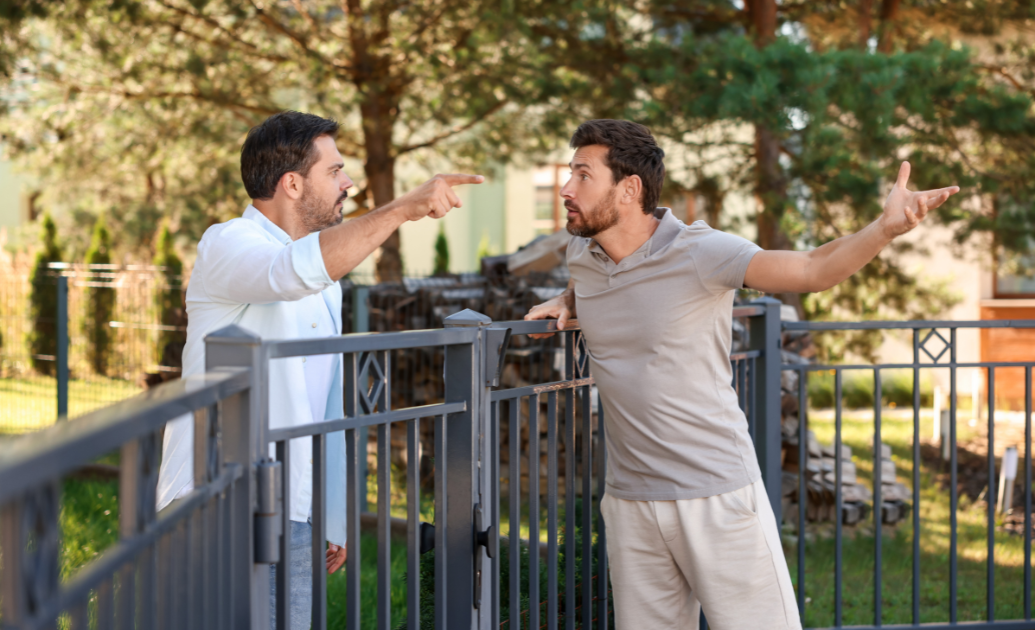
Good neighbor relationships can improve daily life. Friendly communication, respect, and reasonable cooperation may create a stronger sense of community.
However, disagreements sometimes appear.
Noise, parking, pets, property boundaries, trash, shared spaces, trees, visitors, and outdoor activities can create tension.
Small problems may become serious when communication is delayed or emotional.
American neighbors can often solve everyday disputes by focusing on facts, respectful conversation, and practical compromise.
Pause Before Reacting
Anger can make a small Problem larger.
Before approaching a neighbor, ask:
What happened?
Has it happened more than once?
Is there another explanation?
What outcome would solve the problem?
A calm conversation usually works better than immediate confrontation.
People reviewing neighborhood and household guidance may find useful ideas for handling community concerns respectfully.
The goal should be solving the issue.
Speak Directly and Privately
When appropriate, discuss the concern with the neighbor.
Choose a calm time.
Avoid beginning the conversation during the problem when emotions may already be high.
For example, instead of shouting during a loud gathering, speak later.
A respectful opening could be:
“I wanted to discuss the noise from last weekend.”
Private conversations reduce embarrassment.
They also prevent unnecessary involvement from other neighbors.
Describe the Problem Clearly
Avoid attacking personality.
Instead of saying:
“You are inconsiderate.”
Try:
“The music remained loud after midnight, and my family could not sleep.”
Specific information is easier to understand.
Explain:
What happened.
When it happened.
How it affected the household.
What change would help.
Organized local community directories may provide broader ideas related to neighborhood resources and community communication.
Listen to the Other Side
The neighbor may have information you do not know.
A parking problem may involve a temporary guest.
Noise may have come from another property.
A pet may have escaped unexpectedly.
Listening does not require agreeing.
It helps identify the real issue.
Both sides may discover a simple solution.
Focus on One Problem at a Time
Avoid bringing every past complaint into one conversation.
Discuss the current issue first.
A long list may make the neighbor defensive.
If several concerns exist, address the most important one.
Additional issues can be discussed later.
Clear conversations are easier to manage.
Keep Noise Discussions Practical
Noise is a common source of conflict.
Neighbors can discuss:
Music volume.
Late-night gatherings.
Construction.
Vehicles.
Pets.
Outdoor equipment.
A practical request may include a specific time.
For example:
“Could outdoor music be reduced after 10:00 p.m.?”
Specific requests are easier to follow.
Helpful neighborhood living and household notes may offer additional perspectives on creating respectful shared environments.
Discuss Parking Without Assumptions
Parking disputes can become emotional.
Neighbors should understand whether the space is:
Public.
Assigned.
Shared.
Private.
Temporary.
Avoid blocking driveways or access areas.
If the issue continues, document dates and discuss the specific pattern.
Do not damage vehicles or create retaliation.
Practical communication should remain the first step.
Manage Pet Concerns Calmly
Pet-related concerns may include:
Barking.
Waste.
Property access.
Safety.
Damage.
Approach the owner directly when safe.
Explain the specific issue.
For example:
“The dog has entered our yard several times.”
Ask for a practical solution.
Most owners may not understand the full effect until someone explains it.
Clarify Property Boundaries
Fences, trees, landscaping, and outdoor projects may create disagreements.
Neighbors should avoid making assumptions about property lines.
A respectful discussion before beginning major work may prevent conflict.
Share relevant information clearly.
Avoid removing or changing something near a boundary during an active disagreement.
The problem may require additional documentation or professional guidance.
Keep Written Records
If a repeated problem continues, keep basic records.
Include:
Dates.
Times.
Descriptions.
Photos when appropriate.
Copies of communication.
Records should remain factual.
Avoid emotional descriptions.
Documentation may help both sides understand the pattern.
It can also support future problem-solving.
Avoid Public Arguments
Posting neighborhood conflicts online may increase tension.
Public criticism can create embarrassment and encourage additional opinions.
Direct communication is usually better.
If outside help becomes necessary, use the appropriate process.
Avoid turning a private disagreement into community entertainment.
Local community and neighborhood updates may also help residents understand local concerns and everyday community topics.
Look for Compromise
A solution may require adjustment from both sides.
Examples include:
Changing outdoor activity times.
Sharing maintenance responsibilities.
Creating clearer parking communication.
Improving a fence.
Moving equipment.
Adjusting pet routines.
Compromise does not mean accepting serious harm.
It means considering reasonable options.
Use a Neutral Person When Needed
Some disagreements become difficult to discuss directly.
A neutral person may help.
Possible support may include:
A community representative.
A property manager.
A homeowners association contact.
A trusted mutual neighbor.
A mediator.
The neutral person should help clarify facts rather than choose sides immediately.
Avoid Retaliation
Retaliation often makes disputes worse.
Examples include:
Creating more noise.
Blocking vehicles.
Spreading rumors.
Damaging property.
Encouraging others to join the conflict.
These actions may create additional problems.
Remain focused on the original issue.
A peaceful solution protects both households.
Know When Safety Comes First
Direct conversation may not be appropriate when there are:
Threats.
Aggressive behavior.
Violence.
Harassment.
Dangerous activity.
People should protect personal safety.
Avoid entering another person’s property during conflict.
Use appropriate support when serious risks appear.
Maintain Normal Courtesy
A disagreement does not require ending all basic respect.
Neighbors can still:
Greet one another.
Avoid insults.
Respect privacy.
Keep shared areas clean.
Communicate important information.
Normal courtesy may reduce tension.
It also creates room for future improvement.
Follow Up After a Solution
If the problem improves, recognize the change.
A simple statement may help:
“Thank you for reducing the noise.”
Positive feedback supports cooperation.
It shows that the goal was solving the issue rather than continuing conflict.
Protect Long-Term Community Relationships
Neighbors may live near each other for many years.
Temporary anger should not always define the relationship.
People can disagree while remaining respectful.
Community life becomes easier when residents communicate clearly and allow reasonable mistakes to be corrected.
Neighbor dispute tips for USA peaceful living begin with calm communication. Many conflicts can improve when people describe the problem clearly, listen, and look for practical solutions.
Strong communities are not communities without disagreements. They are communities where people solve problems without turning every concern into a permanent conflict.