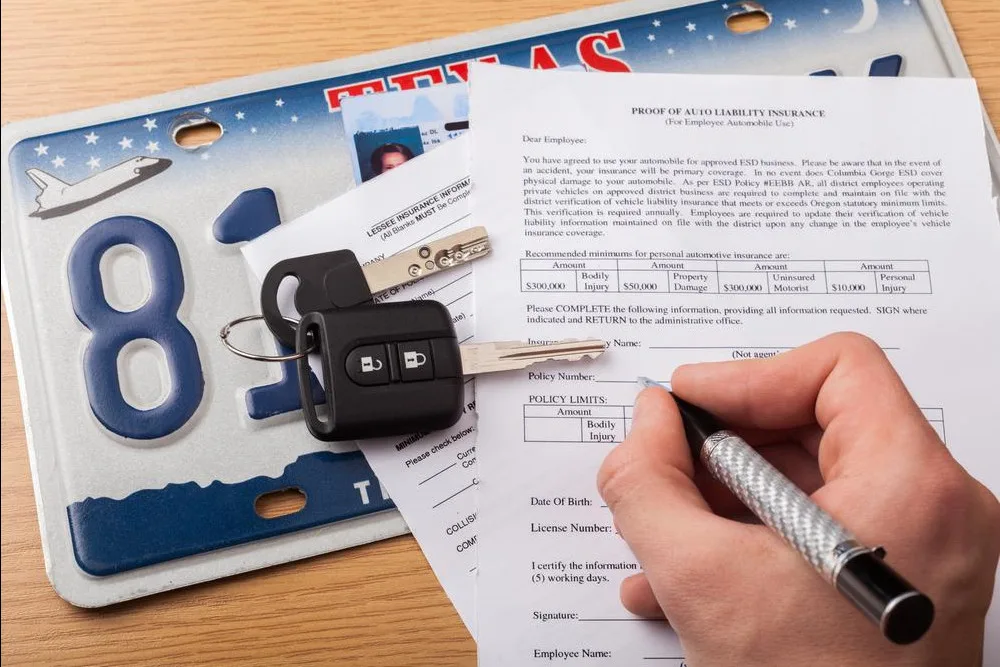
Vehicle registration connects a car, truck, or motorcycle with the appropriate state records. First-time owners may find the process confusing because requirements, fees, inspections, and deadlines differ across the United States.
Registration is separate from the vehicle title, although both processes may occur together. The title generally relates to ownership, while registration allows the vehicle to operate legally under applicable state rules.
New owners often manage registration costs alongside insurance, taxes, housing, and home protection expenses. Preparing documents before visiting an office or beginning an online application can reduce delays.
Drivers should follow official requirements in the state where the vehicle will be registered.
Understand the Difference Between Title and Registration
A vehicle title identifies legal ownership.
Registration connects the vehicle with state operating records.
The registered owner may receive license plates, stickers, or other documents.
Buying a vehicle often requires both title transfer and registration.
Financed vehicles may include a lender’s interest in the title.
Do not assume receiving license plates means every title step is complete.
Keep copies of submitted documents.
Review names, addresses, and vehicle information carefully.
Correct errors early.
Gather Required Ownership Documents
First-time applicants may need a signed title, purchase agreement, bill of sale, dealer documents, or other proof of ownership.
Requirements differ.
Used vehicle purchases may require additional information.
Check that the vehicle identification number matches every document.
Confirm seller signatures.
Do not accept incomplete paperwork.
Ask how corrections should be handled.
Avoid changing official documents without proper guidance.
Keep original records secure.
People balancing vehicle purchases with new property responsibilities may find useful planning ideas through first-home ownership guidance.
Obtain Required Insurance
Many states require proof of auto insurance before registration.
Coverage rules differ.
Contact an insurer before visiting the registration office.
Provide accurate vehicle information.
Request valid proof of coverage.
Check effective dates.
A future policy start date may not satisfy immediate requirements.
Keep digital and printed documents when useful.
Do not drive until legal insurance requirements have been met.
Ask whether the state verifies coverage electronically.
Check Identification Requirements
Applicants may need a driver’s license, state identification, proof of residence, or other documents.
Review accepted forms.
Names should match when required.
Address differences may create delays.
Bring original documents or approved copies according to local rules.
Do not assume a photograph on a phone will be accepted.
Check office instructions before leaving home.
People registering vehicles for businesses, trusts, estates, or other ownership structures may need additional documentation.
Review State Residency Rules
Registration requirements often depend on where the owner lives and regularly uses the vehicle.
People moving between states should review deadlines.
Students, military members, temporary workers, and residents with multiple homes may face different rules.
Do not guess.
Consult official state information.
Understand when old plates must be returned.
Ask how registration changes affect insurance.
Update addresses promptly.
Failure to complete required changes may create fines or coverage concerns.
Complete Vehicle Inspections
Some states require safety inspections, emissions testing, identification checks, or other evaluations.
Requirements may differ by county or vehicle type.
Complete inspections within the proper period.
Use approved facilities.
Keep certificates or electronic confirmation.
Repair failed items according to the program rules.
Do not assume a recently purchased vehicle is automatically exempt.
Newer vehicles may receive temporary exceptions in some locations.
Check before applying.
Owners organizing documents and garage maintenance may find useful ideas through home management resources.
Calculate Taxes and Fees
Registration expenses may include title fees, plate charges, local taxes, sales taxes, property-related vehicle taxes, processing costs, or other charges.
Request an estimate before visiting.
Payment methods may vary.
Some offices accept cards but add processing fees.
Others require checks, money orders, or specific forms of payment.
Bring enough funds.
Review the receipt.
Ask about unexplained charges.
Do not depend only on the advertised registration fee.
Total costs may include several items.
Understand Temporary Registration
Dealers or state agencies may provide temporary plates or permits.
Review the expiration date.
Do not assume renewal occurs automatically.
Complete permanent registration before the temporary period ends.
Display temporary materials correctly.
Protect paper permits from damage when possible.
Keep related documents inside the vehicle.
Contact the issuing authority when permanent plates do not arrive as expected.
Do not continue driving on expired temporary registration.
Choose the Correct Plate Type
States may offer standard, specialty, personalized, disability, commercial, historical, or other plate categories.
Each may have separate requirements and fees.
Select the plate type that matches vehicle use.
Commercial activity may require additional registration.
Personalized plate approval can take time.
Requested combinations may be unavailable.
Specialty plates may include annual charges.
Read renewal requirements.
Do not assume all fees are paid only once.
Review License Plate Display Rules
Plate requirements vary.
Some states require front and rear plates.
Others require only a rear plate.
Mount plates securely.
Keep numbers and registration information visible.
Do not use frames or covers that block required details.
Replace damaged or unreadable plates according to local procedures.
Do not display plates assigned to another vehicle.
Temporary and permanent plates should follow official placement rules.
Keep Registration Documents Available
Store registration documents in a secure location inside the vehicle when required.
Avoid keeping unnecessary ownership records in an easily visible area.
Some drivers use a document holder.
Keep insurance information nearby.
Review expiration dates.
Replace damaged documents.
Do not leave sensitive paperwork exposed when the vehicle is unattended.
Know whether digital registration proof is accepted.
Rules differ between states.
Set a Renewal Reminder
Registration usually requires renewal.
Expiration periods vary.
Set reminders several weeks before the deadline.
Do not depend entirely on mailed notices.
Address changes may prevent delivery.
Review renewal requirements.
Some states require inspections or updated insurance information.
Pay early enough to receive new documents.
Confirm whether a sticker must be placed on the plate or windshield.
Follow official instructions.
Update Information After Moving
A change of address may require registration updates.
Deadlines differ.
Notify relevant motor vehicle authorities.
Update insurance information.
Ask whether a new title, registration card, or license plate is needed.
Moving to another state may require new inspections and fees.
Do not assume a driver’s license update automatically changes every vehicle record.
Complete each required process.
Drivers can follow home and transportation lifestyle updates while managing relocation and ownership responsibilities.
Handle Vehicle Sales Properly
When selling a vehicle, complete required title and registration steps.
Remove license plates when local rules require it.
Submit sale notices or release-of-liability forms when available.
Keep records.
Do not assume the buyer immediately updates ownership.
Cancel or change insurance at the correct time.
Return plates when required.
Avoid leaving active registration connected with a vehicle no longer owned.
Review state-specific procedures before completing the sale.
Understand Registration for Financed Vehicles
A lender may hold title information during the loan.
Registration still remains necessary.
Dealer financing may handle some paperwork.
Ask what the dealer completes.
Request copies.
Confirm expected delivery of plates and documents.
Do not assume every responsibility transfers to the dealership.
Follow up when deadlines approach.
Check all information after documents arrive.
Errors involving names, addresses, vehicle details, or lien information should receive prompt attention.
Keep Every Receipt
Save payment records, inspection certificates, applications, title documents, and registration receipts.
These records may help correct errors.
Store digital copies.
Keep originals secure.
Document online confirmation numbers.
Record the date of each submission.
Ask for written information when paperwork remains pending.
First-time vehicle registration becomes easier when owners prepare documents, understand local requirements, and track deadlines. American drivers should use official state guidance, verify every detail, and maintain complete records throughout the process.