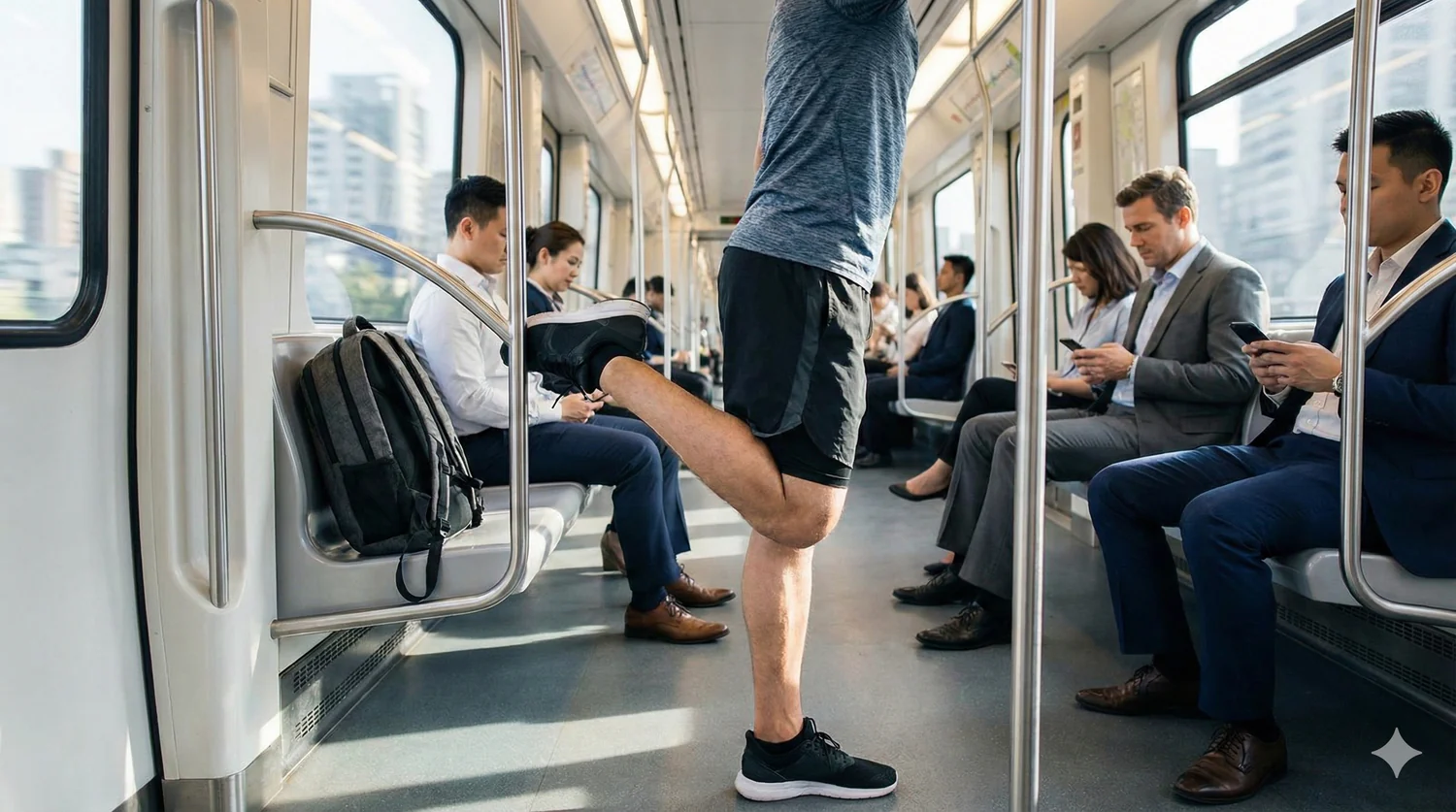
Commuter rail can turn a long highway trip into time for reading, planning, working, or resting. However, successful train travel depends on schedules, station access, parking, transfers, and reliable routines. These commuter train tips can help American suburban workers manage daily travel with fewer missed connections and less unnecessary stress.
A train trip begins before reaching the platform and continues after leaving the destination station. Travelers should consider the complete door-to-door journey, including driving, walking, parking, buses, weather, and backup transportation. Readers interested in practical ideas for improving everyday travel routines can test different options before committing to a long-term pass.
Commuter Train Tips for Planning the Complete Trip
A timetable shows departure and arrival times, but it may not include the time needed to reach the station, find parking, and walk to the platform.
Calculate Door-to-Door Travel
Start timing the trip from home rather than from the train departure.
Include traffic near the station, parking searches, payment, walking, platform access, transfers, and travel from the final station to work.
A train may appear slower when only the main ride is compared, yet it may save time by reducing parking searches or highway delays.
Identify More Than One Train
Avoid depending on a single departure when possible. Learn the train before and after the preferred option.
A small delay at home should not automatically ruin the entire commute.
Save the schedule offline or keep a printed copy when mobile service may be unreliable.
Workers following daily commuting and workplace guidance can also review service changes before leaving home.
Make Station Access More Predictable
Parking and station entrances can create unexpected delays, especially during busy periods.
Learn Parking Rules
Understand permit requirements, daily fees, payment methods, reserved areas, closing times, and overnight restrictions.
Some lots fill early, while others have overflow areas requiring a longer walk.
Keep payment information ready and note where the vehicle is parked.
Consider Alternatives to Driving
Walking, cycling, local buses, carpools, or drop-off arrangements may reduce parking costs and uncertainty.
The best option depends on distance, weather, road safety, schedule, and available facilities.
A bicycle connection may work during mild seasons, while a bus may become more practical during winter.
Thoughtful discussions about transportation choices and suburban routines often show that the first and last parts of the journey determine whether rail commuting remains convenient.
Build a Comfortable Train Routine
Daily riders benefit from organized bags, suitable clothing, and respectful shared-space habits.
Carry Only Useful Essentials
A commuter bag may include a charged phone, ticket or pass, identification, work equipment, water, medication, weather protection, and a portable charger.
Keep the bag light enough for stairs, platforms, and crowded vehicles.
Store frequently used items where they are easy to reach without unpacking everything.
Respect Quiet and Shared Areas
Use headphones and keep calls brief when allowed.
Avoid blocking seats with bags during busy periods. Keep aisles and doors clear.
Follow rules involving food, bicycles, luggage, and designated quiet cars.
A calm shared environment makes long trips more comfortable for everyone.
Prepare for Service Delays
Weather, equipment problems, track work, signal issues, and emergencies may affect commuter rail.
Create a Backup Travel Plan
Know whether buses, another station, shared rides, remote work, or adjusted hours are realistic alternatives.
Keep important work contacts available and communicate early when a major delay affects arrival.
A backup plan should be practical rather than perfect. The goal is avoiding confusion when the normal route is unavailable.
Use Waiting Time Productively
Keep a short list of tasks suitable for delays, such as reading, planning, organizing notes, or responding to nonurgent messages.
Avoid depending on reliable internet service for every task.
Some commuters use the train as a clear transition between work and home. This can reduce the feeling that commuting time is entirely lost.
Readers can explore useful ideas for productivity and organized daily travel when creating routines for long rides.
Compare Passes and Work Schedules
Hybrid work and changing schedules can affect which fare option provides the best value.
Count Actual Travel Days
A monthly pass may be valuable for frequent commuting, while flexible workers may spend less with individual or multi-ride tickets.
Include holidays, vacation, remote-work days, and occasional business travel.
Review the calculation when schedules change.
Ask About Employer Transportation Benefits
Some workplaces may offer commuter programs, subsidies, flexible hours, or pre-tax transportation options.
Understand eligibility and enrollment rules before making a long-term purchase.
A later start time may also help workers avoid the busiest trains or parking periods when the employer allows flexibility.
Conclusion
Commuter rail can provide a dependable alternative to highway driving when the complete trip is planned carefully. Station access, parking, fares, transfers, comfort, and backup options all affect the daily experience.
The strongest commuter train tips focus on consistency. Time the full journey, prepare for the train before the preferred departure, and keep one alternative route available. A well-designed routine can turn commuting from a daily source of pressure into useful time between home and work.
Frequently Asked Questions
How early should commuters arrive at a train station?
Allow time for traffic, parking, payment, walking, ticket checks, stairs, and unexpected station delays.
Is a monthly train pass always the cheapest option?
No. The best fare depends on travel frequency, remote-work days, discounts, holidays, and available ticket products.
What should commuters keep in a train bag?
Useful items may include a phone, charger, pass, identification, work materials, water, medication, and weather protection.
How can riders avoid missing a preferred train?
Prepare bags early, track travel time to the station, allow a buffer, and know the previous or next departure.
What should commuters do during major rail delays?
Check reliable service information, contact work when needed, and use an established backup route when practical.
Can bicycles be taken on commuter trains?
Policies vary by service, time, train type, and available space. Riders should review local rules before traveling.
How can hybrid workers choose the right fare?
Estimate actual monthly travel days and compare individual tickets, multi-ride products, and passes using the expected schedule.
Is working on the train practical?
It can be when seating, noise, internet access, privacy, and trip length support the task. Offline work may be more dependable.