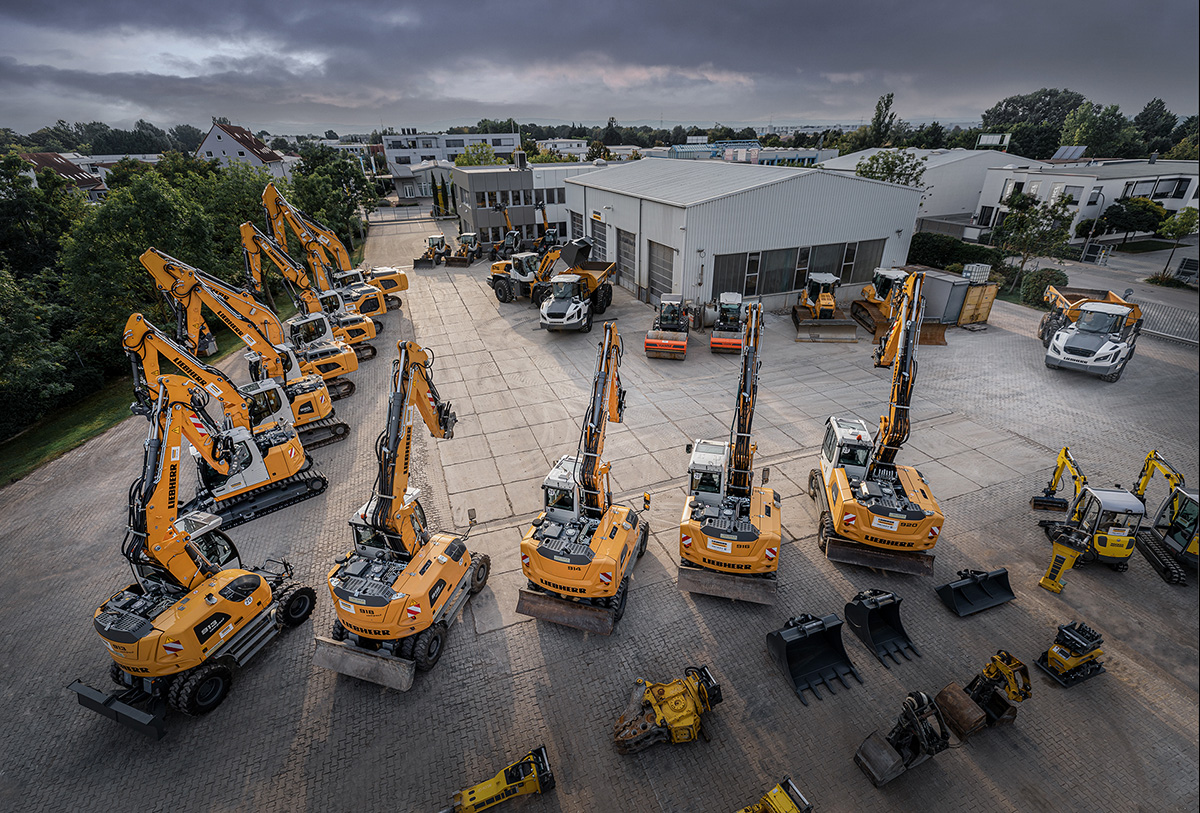
Construction projects depend on more than skilled workers and careful planning. The machinery used on a job site directly affects productivity, operating costs, and project completion timelines. Excavators, loaders, skid steers, and other heavy equipment must perform consistently under demanding conditions. However, purchasing machinery is only one part of maintaining successful construction operations. Choosing a reliable construction equipment dealer can make a significant difference in equipment performance, maintenance support, and long-term business growth.
A dependable dealership provides more than machines for sale. It helps contractors make informed purchasing decisions, access essential services, and maintain equipment throughout its working life.
A Wide Selection of Construction Equipment
Every construction project has different equipment requirements. Road construction, excavation, land preparation, and material handling involve specific tasks that demand suitable machinery. A reliable dealer should offer a diverse selection of equipment to accommodate different project sizes and operational needs.
Contractors may require compact excavators for projects with limited working space, while larger operations might need powerful wheel loaders or heavy excavators. Having access to multiple equipment categories allows buyers to compare specifications, operating capabilities, and available features before making a purchase.
An experienced dealership can also explain which machines are appropriate for particular applications, helping contractors avoid purchasing equipment that is either insufficient or unnecessarily expensive.
Expert Guidance During Equipment Selection
Choosing construction machinery involves evaluating several technical and financial factors. Engine performance, lifting capacity, fuel consumption, hydraulic capabilities, and maintenance requirements all influence the suitability of a machine.
A knowledgeable construction equipment dealer takes time to understand the customer’s operational requirements before recommending equipment. Instead of focusing exclusively on selling a particular model, the dealer should consider the type of work being performed, expected operating hours, and available budget.
For example, a contractor handling frequent material movement may benefit from a loader with suitable lifting capacity and maneuverability. Meanwhile, excavation projects may require machines with greater digging depth and hydraulic power.
Professional guidance helps businesses invest in machinery that supports their actual working conditions.
Reliable Maintenance and Repair Support
Heavy construction equipment operates in environments where dust, vibration, moisture, and continuous mechanical stress can affect performance. Even well-maintained machines eventually require servicing or component replacement.
A dependable dealership should provide access to qualified technicians who understand the equipment they service. Routine inspections, fluid changes, hydraulic system maintenance, and mechanical repairs are essential for keeping machinery operational.
Reliable service support also helps contractors identify developing problems before they become major failures. Addressing worn components or unusual operating conditions early can reduce unexpected breakdowns and expensive repairs.
Dealerships that prioritize maintenance support contribute to better equipment reliability and longer machine service life.
Access to Genuine Parts and Replacement Components
Equipment downtime can create serious challenges for construction businesses. When a critical machine becomes unavailable, scheduled activities may be delayed, affecting labor productivity and project costs.
A reliable construction equipment dealer should help customers obtain appropriate replacement parts when needed. Filters, hydraulic hoses, belts, seals, and other components require periodic replacement to maintain equipment performance.
Using manufacturer-approved parts, where appropriate, can support proper fit and compatibility. Dealers with established parts departments can also help identify the correct components for specific equipment models.
Efficient parts assistance reduces the time contractors spend searching for replacements and helps maintenance teams complete repairs more effectively.
Flexible Equipment Purchasing and Financing Options
Construction machinery represents a substantial financial commitment. Contractors must consider purchase prices, operating expenses, maintenance costs, and expected equipment utilization before investing.
A professional dealership may provide different purchasing arrangements, including new equipment, used machinery, and available financing options. These choices allow businesses to evaluate investments according to their financial circumstances.
Used equipment can be particularly attractive to contractors seeking additional machinery without the expense of purchasing new models. However, buyers should carefully review equipment condition, service records, operating hours, and inspection results.
Transparent pricing and clear financing information help businesses make responsible purchasing decisions while protecting their operating budgets.
Building Long-Term Business Relationships
The relationship between a contractor and an equipment dealership should continue beyond the initial purchase. Construction businesses frequently need technical assistance, maintenance advice, replacement parts, and additional machinery as their operations expands.
A reliable dealer understands the importance of consistent communication and responsive customer service. Providing clear answers, explaining maintenance requirements, and helping customers evaluate future equipment needs can strengthen business relationships.
Contractors also benefit from working with dealerships that understand changing industry requirements and evolving machinery technology. As equipment capabilities improve, knowledgeable dealers can explain which advancements may offer practical operational benefits.
Conclusion
Selecting a construction equipment dealer involves much more than comparing machinery prices. Equipment availability, technical expertise, maintenance services, parts support, and purchasing flexibility all contribute to the overall value of a dealership.
Contractors who evaluate these factors carefully can establish dependable equipment support systems and make better purchasing decisions. A trustworthy dealership becomes more than a machinery supplier. It serves as a valuable business partner that helps construction companies maintain productivity, manage equipment investments, and prepare for future projects.