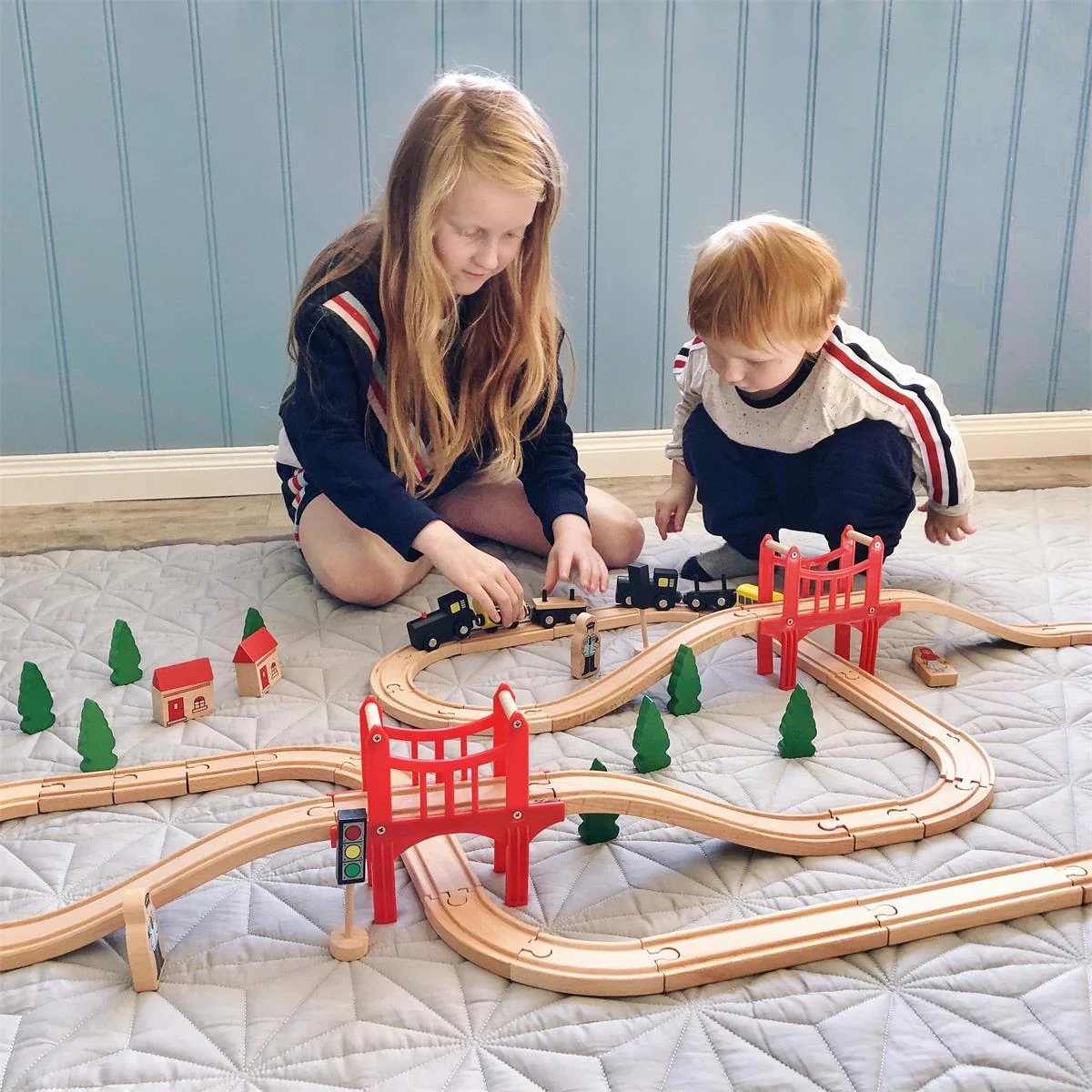
A miniature railroad can transform an ordinary corner of a home into a bustling transportation network filled with movement, creativity, and imagination. Model railroading is more than watching locomotives travel around a circular track. It offers an opportunity to design landscapes, recreate historical scenes, and build detailed environments that reflect personal interests. Lionel train sets have remained a popular choice among hobbyists because they combine traditional railroad charm with exciting possibilities for customization. Whether someone enjoys realistic railway operations or imaginative miniature worlds, these trains provide a foundation for countless creative projects.
Transforming Simple Tracks into Imaginative Railroads
Every model railroad begins with a basic track arrangement, but even a small layout can become an impressive miniature environment. Hobbyists can experiment with different track configurations to create interesting routes, stations, and destinations.
A simple oval track might represent a passenger service connecting two small towns. Adding switches, sidings, and additional track sections can introduce freight operations, storage yards, and industrial connections. These features make the layout more engaging while encouraging creative planning.
Space limitations do not necessarily restrict imagination. Compact layouts can incorporate elevated sections, tunnels, bridges, and carefully arranged scenery. The objective is to establish an environment that is harmonious, as opposed to merely saturating every available space with tracks.
Creating Miniature Towns and Landscapes
One of the most enjoyable aspects of working with Lionel train sets is designing the world surrounding the railway. A model railroad becomes more visually appealing when trains travel through recognizable landscapes and communities.
Builders can create miniature neighborhoods featuring houses, shops, roads, and railway crossings. Rural layouts might include farms, forests, rivers, and mountain scenery. Industrial settings can feature warehouses, factories, loading platforms, and freight terminals.
Small details contribute significantly to the overall atmosphere. Streetlights, miniature vehicles, fences, and carefully positioned figures can make an ordinary layout appear active and realistic.
Seasonal decorations also provide opportunities for experimentation. A railroad village can feature snowy landscapes during winter, colorful trees during autumn, or flowering gardens during spring. These changes allow hobbyists to refresh their layouts without rebuilding the entire railway.
Bringing Railroad History into the Home
Model railroading offers an engaging way to explore transportation history. Different locomotive designs, passenger cars, and freight equipment can represent various periods of railroad development.
Steam locomotives can inspire layouts featuring traditional stations, coal facilities, and historic industrial communities. Diesel locomotives may suit modern freight yards, transportation terminals, and contemporary railway infrastructure.
Enthusiasts can research historical railroad operations and incorporate appropriate scenery into their designs. Even small details, such as station signs, signal equipment, and freight loading areas, can contribute to a convincing historical setting. This combination of research and creativity makes model railroading both entertaining and educational.
Exploring Technology and Interactive Features
Modern model railroading can involve much more than basic train movement. Depending on the equipment, enthusiasts may explore electronic controls, sound effects, lighting systems, and interactive accessories.
Some Lionel locomotives offer realistic operating sounds, including whistles, bells, and engine effects. Compatible control systems may allow operators to manage locomotive speed and additional functions.
Lighting can also dramatically change the appearance of a miniature railway. Illuminated buildings, station platforms, and streetlights create an inviting nighttime atmosphere.
Interactive accessories, such as operating crossings and animated structures, introduce additional movement beyond the trains themselves. These elements make the railroad feel like a functioning miniature community.
Encouraging Family Creativity and Shared Experiences
Building a model railroad can become a collaborative activity that brings different generations together. Family members can participate according to their interests, whether that involves track planning, scenery construction, painting, or operating trains.
Children may enjoy inventing stories about passengers, freight deliveries, and imaginary destinations. Adults might focus on engineering details, realistic scenery, and historical accuracy.
Working together also creates opportunities to develop patience, problem-solving, and practical design skills. Planning a layout requires considering available space, track connections, and the placement of accessories. Over time, the railroad can evolve into a shared project that reflects everyone’s creativity.
Expanding a Layout as Skills Develop
A major advantage of model railroading is that layouts can grow gradually. Beginners can start with a basic train set and introduce additional components as their experience increases.
New track sections can create alternative routes, while additional rolling stock can introduce different operating activities. Hobbyists might eventually build dedicated passenger stations, freight yards, or mountain railways.
Before expanding, checking track compatibility, electrical requirements, and available space helps prevent unnecessary complications.
Gradual improvements allow enthusiasts to experiment with new techniques without feeling pressured to complete everything immediately.
Conclusion
Lionel train sets offer much more than miniature locomotives traveling along tracks. They provide opportunities to combine artistic expression, historical exploration, technical learning, and imaginative storytelling. From compact tabletop railroads to detailed miniature communities, every layout can reflect the personality and creativity of its builder. Even the smallest track arrangement can be transformed into an extraordinary railroad world with the assistance of meticulous planning and a willingness to experiment.