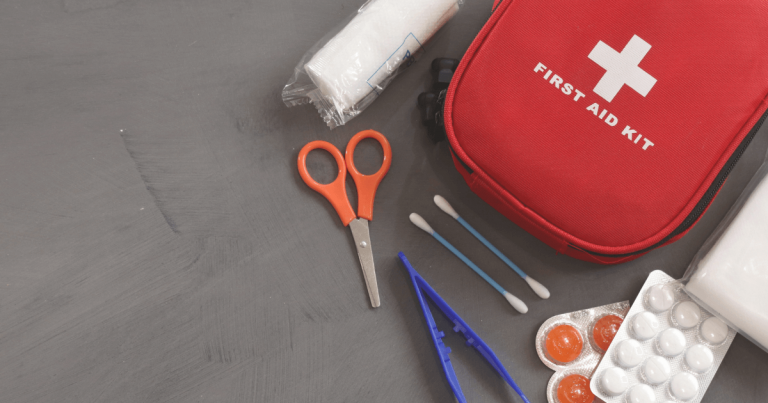
Minor injuries can happen during cooking, home repairs, outdoor activities, storms, travel, sports, and ordinary family routines. A well-organized first aid kit allows households to respond quickly to small cuts, scrapes, burns, sprains, and other common concerns while deciding whether professional medical care is needed.
A kit should not replace doctors, emergency services, or qualified first aid training. Its purpose is to keep basic supplies available, clean, current, and easy to reach. Reviewing practical household emergency information can help families build kits that match their size, activities, and medical needs.
The most useful first aid kit is not necessarily the largest. It is the one household members can find and use responsibly.
Choose an Accessible Storage Location
Keep the main kit in a location responsible adults can reach quickly.
A kitchen cabinet, hallway closet, utility area, or central storage space may work.
Avoid areas exposed to extreme heat, moisture, freezing temperatures, or direct sunlight.
Do not bury the kit behind seasonal items.
Make sure family members know where it is.
Keep medical supplies away from young children.
Use secure storage for medications and sharp tools.
Label the container clearly.
A portable handle may make the kit easier to move.
Families can learn from practical home first aid experiences when deciding whether they need separate kits for vehicles, travel, work, or outdoor activities.
Include Basic Wound-Care Supplies
Common supplies may include adhesive bandages in several sizes, sterile gauze, medical tape, disposable gloves, and appropriate cleaning materials.
Choose products suited to household needs.
Keep extra supplies for active children or family members who participate in sports.
Check packaging.
Replace opened, damaged, dirty, wet, or expired products.
Store items in labeled sections.
Avoid placing loose products at the bottom of a large container.
Clear organization saves time.
Follow recognized first aid guidance for wound care.
Seek medical assistance for deep, heavily bleeding, contaminated, or serious injuries.
Add Protective Gloves
Disposable gloves help reduce direct contact with blood and body fluids.
Keep several pairs.
Choose suitable sizes.
Store them in sealed packaging.
Replace damaged gloves.
Use new gloves for each person.
Wash hands before and after care when possible.
Gloves do not replace hand hygiene.
Avoid touching phones, door handles, or other surfaces while wearing contaminated gloves.
Dispose of used supplies safely.
Families should understand basic protective habits before an emergency.
Useful first aid preparation guidance may help households organize supplies for safer use.
Keep Simple Instructions
Include a basic first aid reference from a recognized training organization or qualified medical source.
Do not depend entirely on internet access.
A printed guide may help during power or network outages.
Keep instructions easy to read.
Avoid using unfamiliar medical procedures.
Household members should work within their training.
Serious bleeding, breathing difficulty, severe burns, loss of consciousness, suspected poisoning, major injuries, or other emergencies require professional help.
Call emergency services when needed.
Do not delay urgent care while searching through a manual.
Check Expiration Dates
First aid products do not remain usable forever.
Review dates on antiseptic products, medications, ointments, sterile supplies, and specialty items.
Replace expired products.
Inspect packaging.
Remove items affected by moisture, heat, leaks, or damage.
Choose two dates each year for kit review.
Keep a simple inventory list.
Record replacement needs.
Avoid assuming unopened products are automatically safe.
Environmental conditions may affect storage.
Separate Medications From General Supplies
Medication choices depend on age, health conditions, allergies, prescriptions, and professional advice.
Do not add products simply because they appear on a generic checklist.
Follow healthcare guidance.
Store medications in original labeled packaging.
Keep dosing information.
Secure them from children.
Do not share prescriptions.
Review expiration dates.
People with chronic conditions should maintain updated medication lists and emergency plans.
Broader family health preparedness ideas can help households consider medical information alongside ordinary first aid supplies.
Add Supplies for Burns
Minor household burns may happen during cooking or contact with hot surfaces.
Keep appropriate sterile dressings and first aid materials.
Learn recognized burn-care procedures.
Do not apply unsafe home remedies.
Serious burns, electrical burns, chemical burns, large burns, or burns affecting sensitive areas require medical evaluation.
Cool treatment methods should follow qualified guidance.
Do not use ice directly when it may cause additional tissue damage.
Keep kitchen safety equipment separate from the first aid kit.
Prevention remains important.
Include Cold Packs
Instant cold packs may help with certain minor injuries when used correctly.
Store them according to manufacturer instructions.
Inspect packaging.
Do not use damaged packs.
Protect skin from direct prolonged exposure.
Follow approved first aid guidance.
Cold packs are not appropriate for every injury.
Seek medical care for severe pain, deformity, inability to move, numbness, major swelling, or suspected fractures.
Do not rely on a cold pack to delay necessary evaluation.
Prepare for Allergies
Household members with known allergies should follow medical plans created with healthcare professionals.
Keep emergency information available.
Know the location and correct use of prescribed emergency medication.
Check expiration dates.
Make sure caregivers understand the plan.
Do not give medication prescribed for another person.
Include allergy details in medical records.
Call emergency services for severe reactions.
Symptoms affecting breathing, consciousness, or multiple body systems may require immediate care.
Do not wait for symptoms to become extreme.
Build a Child-Friendly Section
Children may need smaller bandages, age-appropriate supplies, comfort items, and calm explanations.
Avoid storing medication where children can reach it.
Teach older children where the kit is located.
Explain that they should ask an adult before using supplies.
Children can learn how to call emergency services and provide an address when appropriate.
Use simple safety lessons.
Do not make young children responsible for serious medical care.
Parents should update supplies as children grow.
Consider Older Adults
Older adults may use blood-thinning medication, have fragile skin, experience balance concerns, or require additional medical support.
Keep updated medication lists.
Include emergency contacts.
Store glasses and hearing-device batteries nearby when appropriate.
Use easy-to-open containers.
Label supplies clearly.
Maintain good lighting around the storage area.
Discuss first aid concerns with healthcare professionals.
Do not assume minor injuries carry the same risks for every person.
Prepare a Vehicle Kit
Households may benefit from a smaller first aid kit inside each vehicle.
Include basic wound supplies, gloves, emergency contact information, and items suitable for local travel conditions.
Extreme vehicle temperatures may damage some products.
Inspect kits seasonally.
Replace affected supplies.
Keep the container secured so it does not move during driving.
Do not store medication in vehicles unless approved for those conditions.
Add roadside emergency items separately.
Create a Travel Kit
Travel kits should be compact.
Include supplies for common minor injuries.
Consider destination, planned activities, climate, allergies, and access to medical services.
Keep prescriptions in properly labeled containers.
Carry important health information.
Do not pack the only household kit.
Review airline, transportation, and destination requirements.
Check supplies after every trip.
Replace used items.
Clean the container.
Keep travel kits ready for family vacations and road trips.
Add Emergency Contact Information
Write household names, addresses, emergency contacts, healthcare providers, allergy information, medications, and important medical concerns.
Protect privacy.
Keep information current.
Place a copy in the kit.
Older children may carry age-appropriate emergency contact cards.
Update records after moves, health changes, or new phone numbers.
Do not depend entirely on locked mobile devices.
Paper information may remain available when phones fail.
Take First Aid Training
Supplies become more useful when people know how to respond.
Consider recognized first aid and CPR training.
Adults, caregivers, coaches, teachers, and older teenagers may benefit.
Refresh training when certifications or skills become outdated.
Practice emergency communication.
Know how to describe a location clearly.
Training can improve confidence, but it does not replace professional emergency care.
Stay within the limits of personal knowledge.
Inspect the Kit After Every Use
Replace bandages, gloves, gauze, tape, cleaning supplies, and other used items.
Do not wait until the kit is empty.
Clean the container.
Reorganize supplies.
Check dates.
Record missing products.
Return the kit to its normal location.
Tell household members when important items need replacement.
A first aid kit supports family safety when it remains organized, current, and connected to responsible medical decision-making. American households should combine useful supplies with training, emergency contacts, safe storage, and a clear understanding of when professional care is necessary.